
A CMS that can change everything usually means a page that can be broken by accident. The better question is which parts of the page your editors need to change next month.
Separate the frame from the content.
Navigation, page templates and the way a campaign is laid out can stay with the people who build the site. Headings, body text, images, calls to action and metadata should sit with the people who publish.
Write that split down while the templates are being designed. It is much harder to remove a freedom after editors have used it for a year, and just as hard to add one that was never in the model.
Make the common job obvious.
Most weeks, an editor updates a page, adds a news article, swaps a banner or publishes a document. Those jobs should be possible without a developer and without a manual that lives in someone else's inbox.
Preview matters, in every language you publish. So does a clear difference between saving a draft and putting a page live. If Arabic and English are both on the site, an editor should see which language is missing before they publish.
Sit with an editor before launch.
Watch someone who was not in the project do the jobs you listed. Where they hesitate, the model is wrong or the label is wrong. Fix it before the training session tries to paper over it.
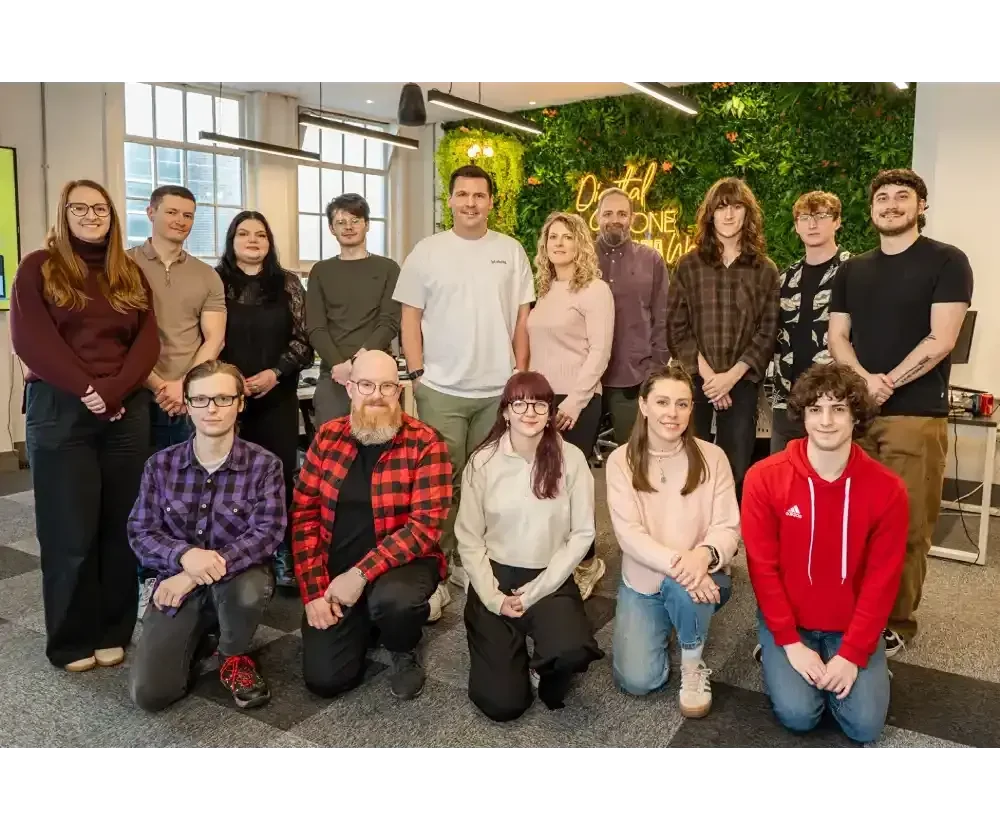
Cold Banana builds Umbraco so marketing teams can run the site. The test we care about is a normal Tuesday, not the demonstration on launch day.